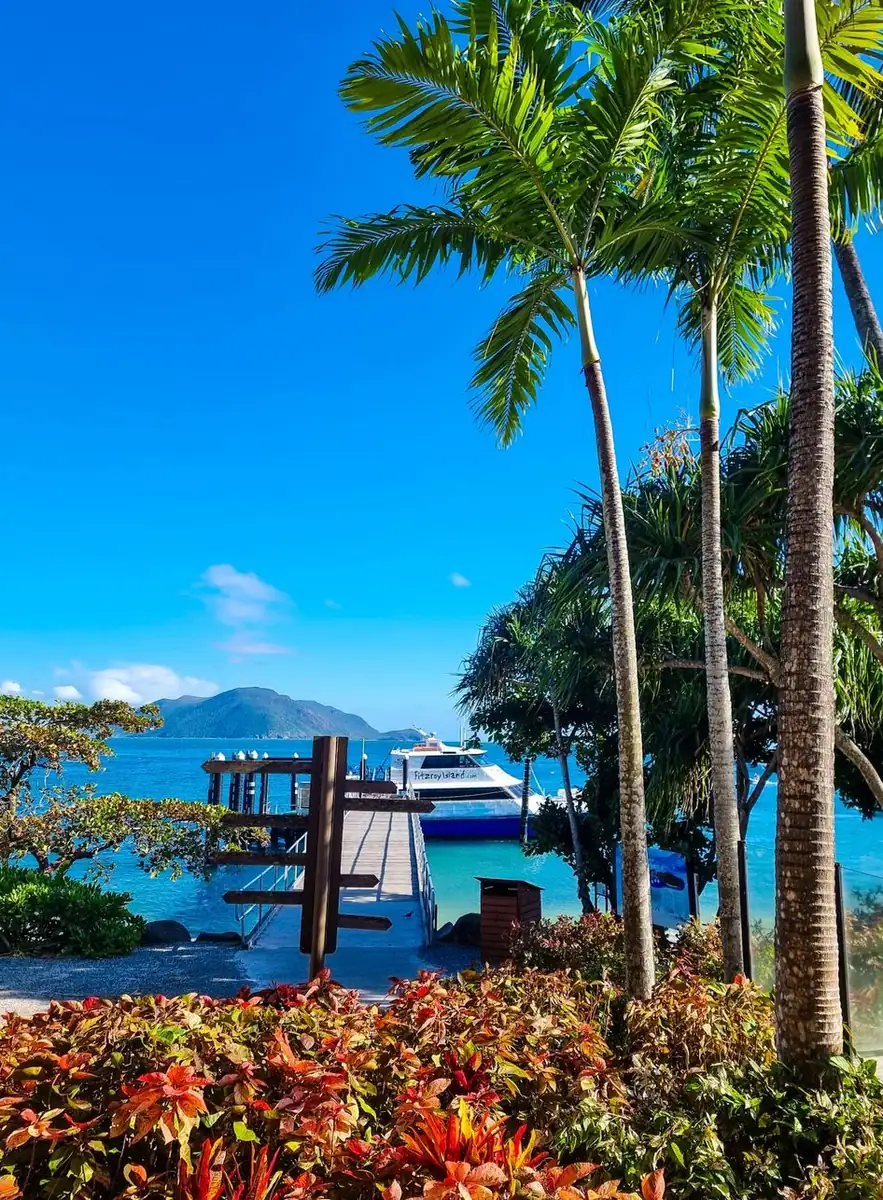
Great Barrier Reef safety for beginners: From Wobbly to Woo-hoo in One Day isn’t a fluffy promise – it’s what I’ve seen happen time after time. You step onto the boat with butterflies in your stomach, not sure you can handle this snorkel business, and wondering what’s lurking just beneath the surface. By mid-afternoon, you’re floating effortlessly, spotting all sorts of reef fish, and wondering why you ever had a moment’s worry in the first place.
I’m Paul – I’ve spent years leading groups of backpackers & holidaymakers on some of Australia’s wildest adventures – from desert roads to coral reefs off the coast of Queensland. The pattern’s always the same: preparation builds confidence. When you grasp the basics of water, marine life, and how it all works, you can start to relax. Fear starts to melt away pretty fast.
If you’re booking with Great Barrier Reef Tours, or heading out on your own from Cairns or Port Douglas, this guide will get you from a nervous wreck to a capable pro in one well-run day on the water.
Choose The Right Operator And Plan
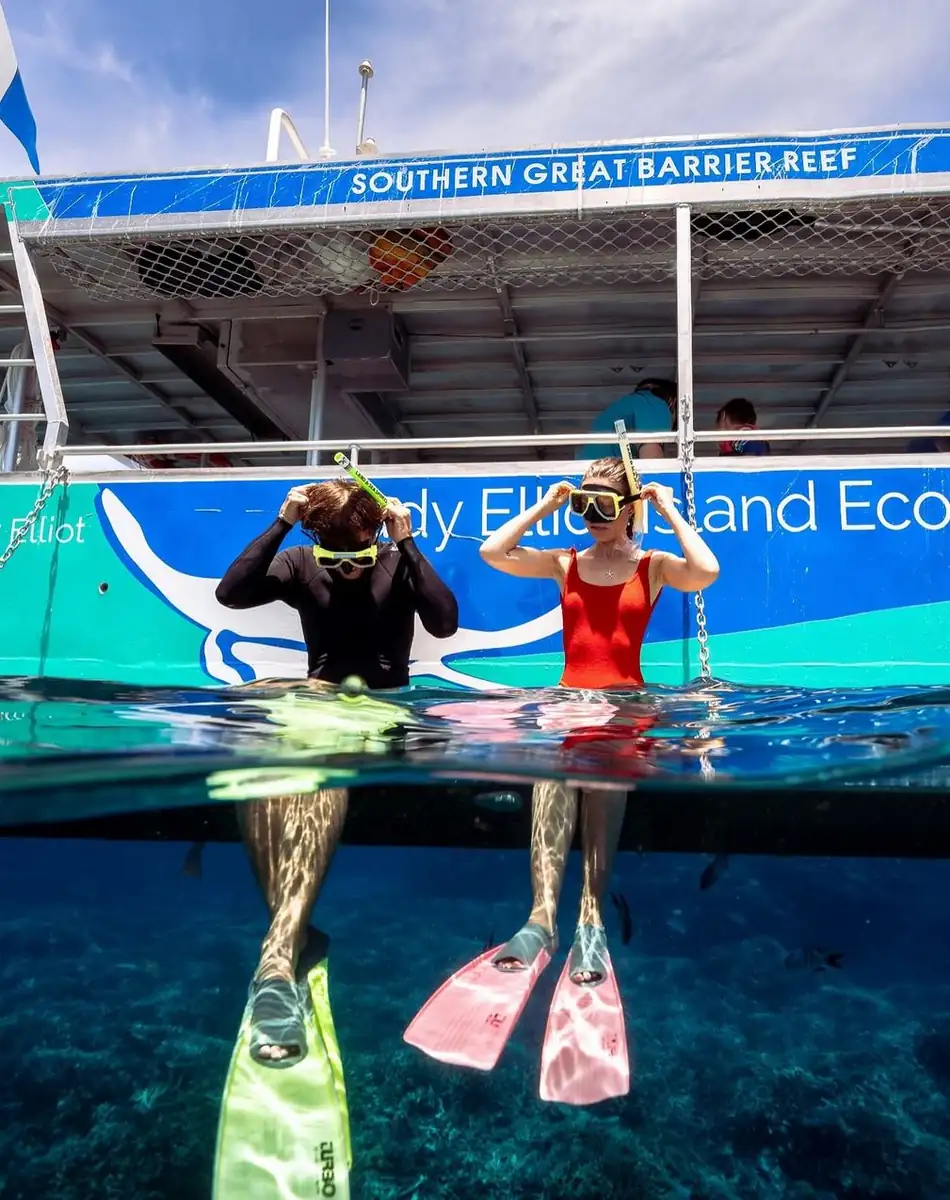
It’s what happens before you even hit the ocean that really sets you up for a great day. The boat you get to board, the crew you meet, and the safety briefing you get all play a big part in how your day goes.
Most outer reef trips leave from the Reef Fleet Terminal or Marlin Marina – these aren’t some dodgy ol’ jetties, but proper marine hubs with licensed operators, emergency systems in place, and crews with heaps of experience and local knowledge of the reef sites.
When you confirm your ticket, check for:
- That they’ve got an emergency plan in place
- That you can see first aid gear and oxygen on board
- That they’ve got a system in place for you to buddy up with a mate
- They’ve got safety gear and rescue tools handy
- The tour guide actually has a decent level of snorkelling experience
If the operator doesn’t seem to be talking much about safety rules, that’s a big red flag. You should ask them some questions.
Read The Weather Forecast Like A Local
The Barrier Reef is huge – over 2,300km long and covering 344,400 square ks along the coast of Queensland. That means the water conditions change all the time. Wind, tide, swell, and current – all these things play a part in deciding which reef sites to go to.
Operators will check the marine reports and the Cairns coastal report before they head out. If it’s a rough day out there, they’ll change plans. Trust that decision – it’s not about being convenient, it’s about getting you home in one piece.
The Outer Reef can give you clearer water and more vibrant sea life, but it’s also got stronger currents than sheltered spots like Green Island or Fitzroy Island.
If you’re prone to getting seasick, take some meds or wear a seasickness band before you board the boat. You don’t want to be seasick and stressed on top of it all.
Get Your Snorkel Gear Sorted Once and For All
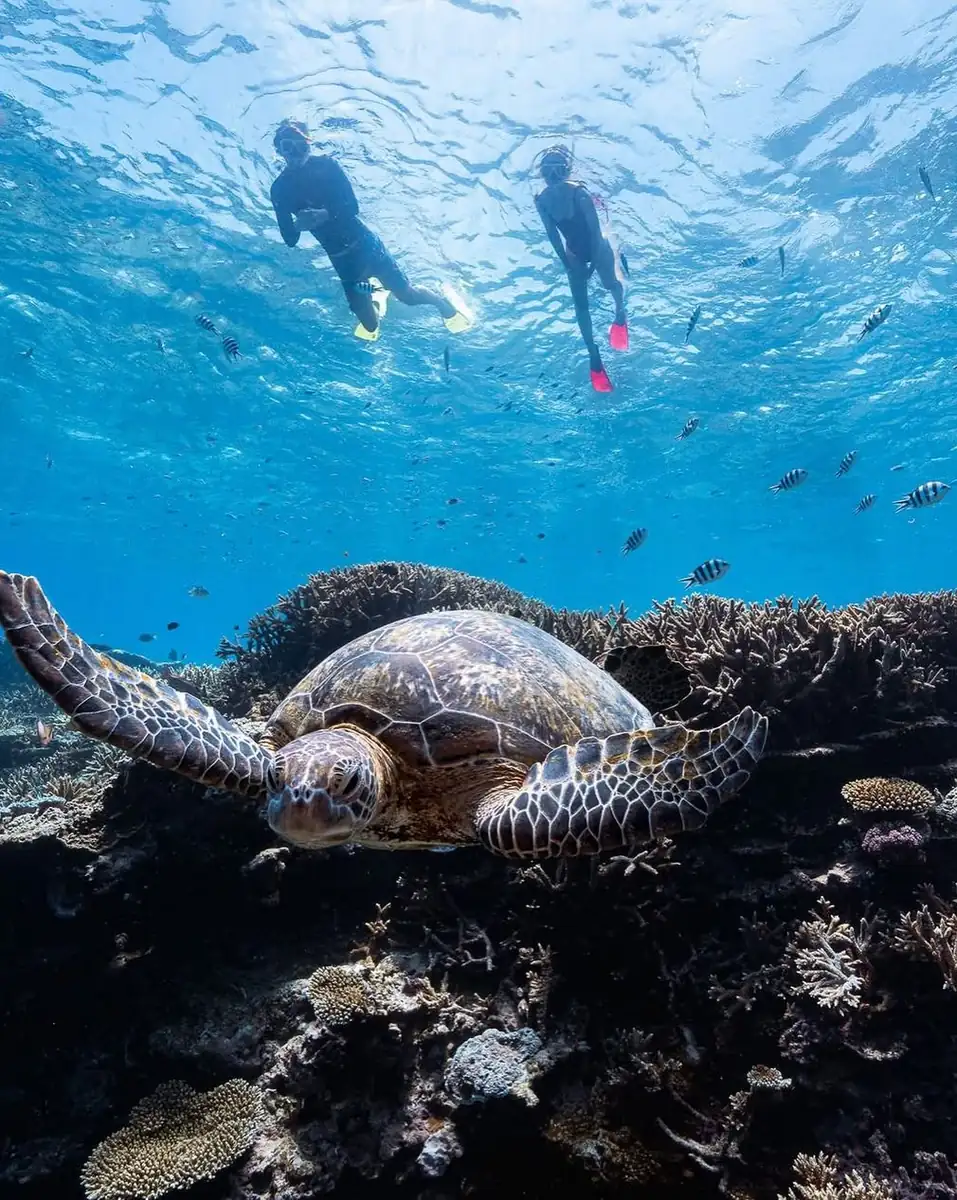
Having snorkel gear that fits properly is way more important than any shark worries you might have had.
Take your time sorting out your snorkel gear – a leaky mask or a fin that slips off makes you feel anxious fast. The crew will help you sort it out – just ask.
Here’s what really matters:
| Equipment Item | What To Check | Why It Matters |
|---|---|---|
| Mask | Firm seal without pain | Stops leaks and fog |
| Snorkel | Easy airflow | Steady breathing |
| Fins | Secure, not tight | Controlled movement |
| Flotation vest | Adjustable | Extra buoyancy |
| Stinger suits | Full coverage in season | Protection from Irukandji jellyfish |
During stinger season, wear the suit, because Irukandji jellyfish may be tiny, but they are serious. If you avoid getting into a situation that requires a trip to the emergency services, you’ve already done a great thing.
If you upgrade to scuba diving, you’re going to need a dive medical done, and you’ll want to have a dive certification card as well as a good understanding of decompression sickness – don’t worry, though – snorkelers don’t have to worry about getting the bends like divers do.
Learn The Three Core Skills To Swim With Confidence
You don’t have to be a champion swimmer, but you do need to have some basic control.
First off, get comfortable floating on your back. If anxiety starts getting the better of you, this can instantly calm you down and get your breathing back on track.
Second, make sure you know how to clear your mask properly – don’t panic if there’s a bit of water in it – just lift your head, press the top of the mask and breathe out carefully through your nose.
Third, get your head around the buddy system – your buddy is your first line of defence – stick with them at all times.
When I’ve taken beginners out on Great Barrier Reef Tours, I’ve seen that the ones who get these basics down fastest are the ones who settle in quickest – and panic starts to fade as soon as you know what to do.
Understand Marine Life Without Stress
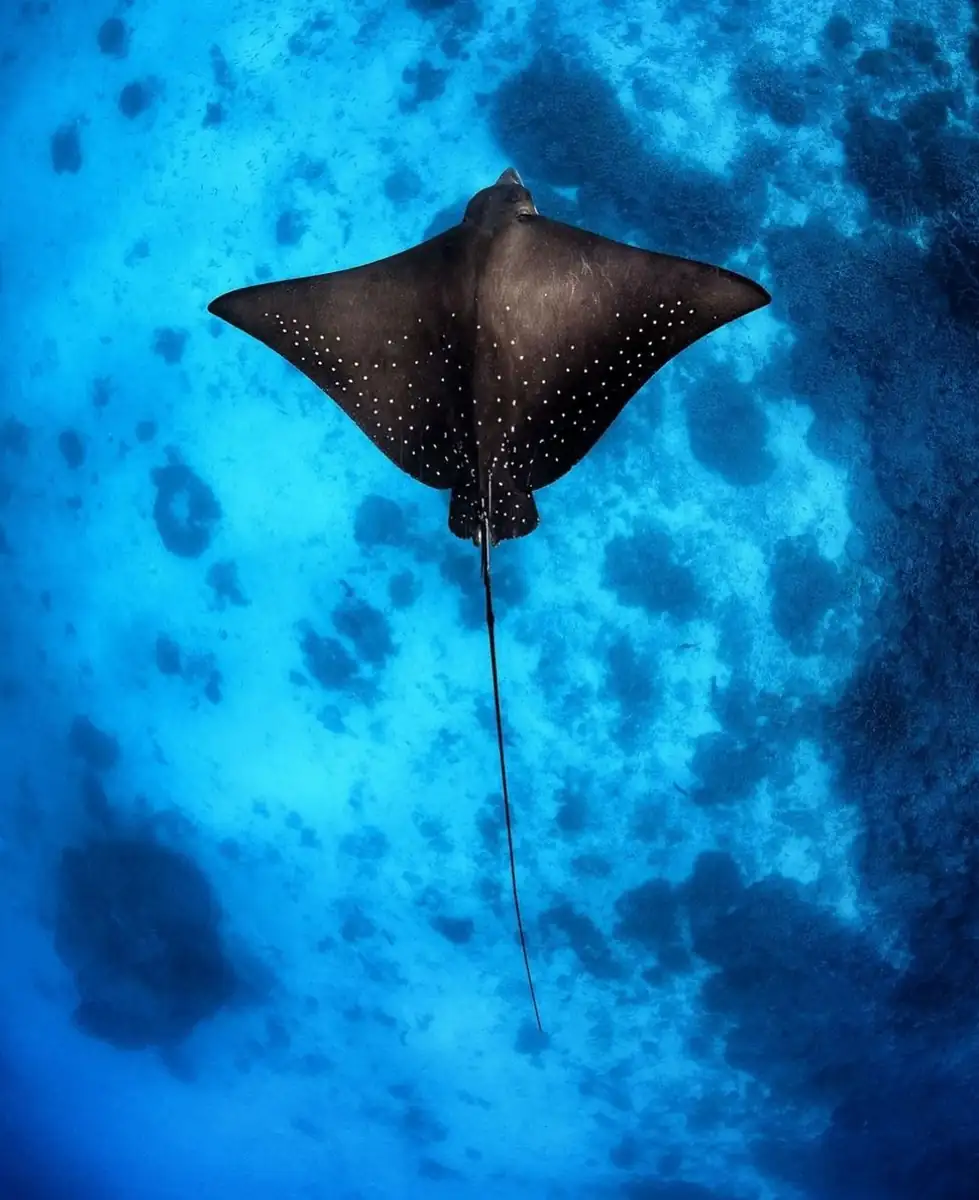
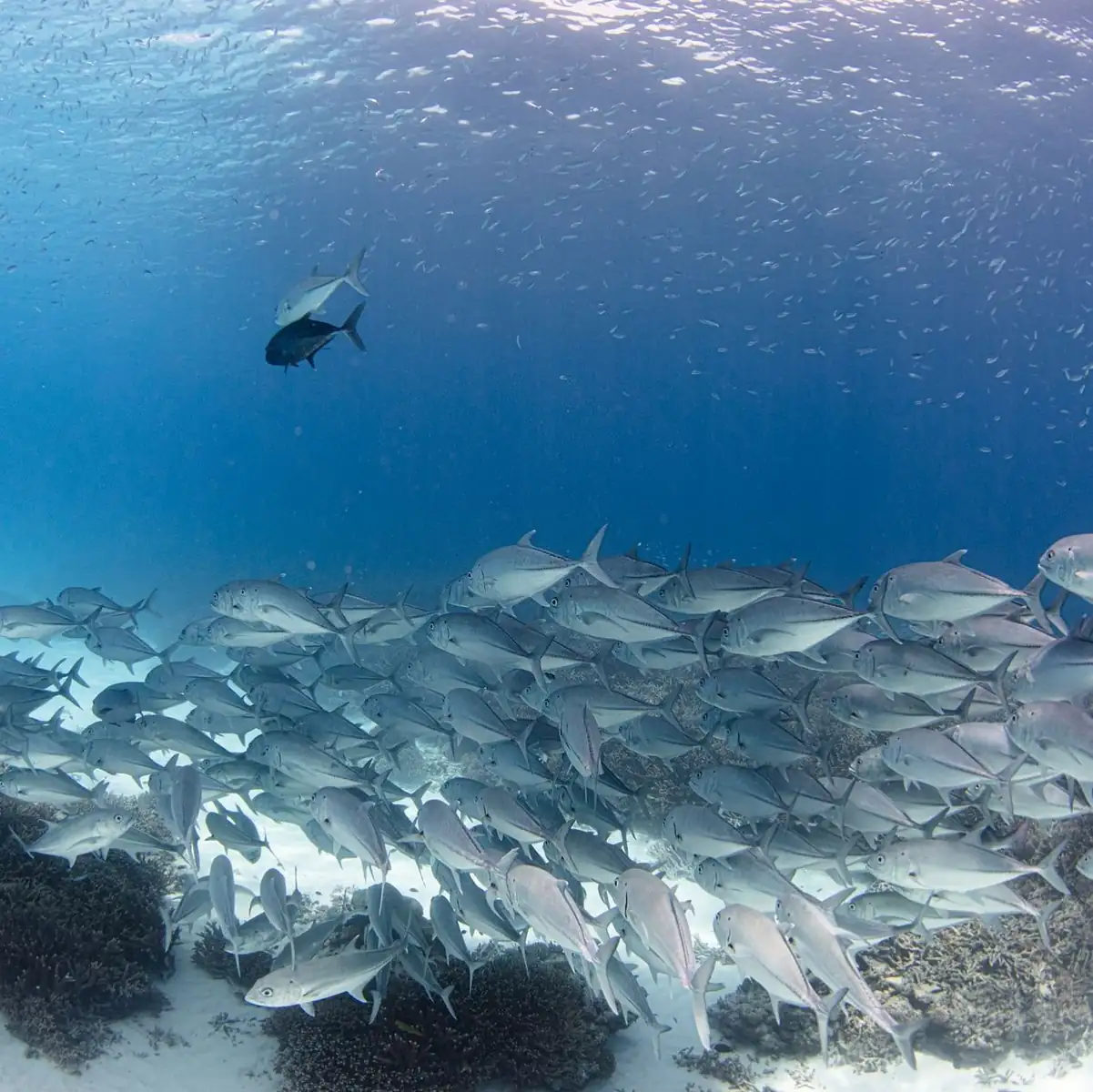
You’re about to enter one of the most incredible and complex marine ecosystems on the planet – over 1,500 different sorts of fish and over 400 different species of coral call it home – that’s just crazy.
You can expect to see some of the following:
- Parrotfish
- Clownfish
- Giant clams
- Even small reef sharks (don’t worry, though – reef sharks at managed reef sites aren’t bothered with you – just stay calm, keep your distance and observe)
Never, ever stand on the coral – coral cuts are the most common injury you’ll get on a reef trip – it’s not from sharks, it’s not from bites – it’s from stepping on the coral with your bare feet.
Marine conservation and personal safety are kind of the same thing, when it comes down to it – use reef-safe sunscreen if you need some, and consider dodging products that contain titanium dioxide if you can – and of course, do yourself a solid and rely on physical sun protection instead – rash shirts, hats, and regular breaks in the shade.
Take The Guided Tour Route If You’re Not At 100%
A guided snorkelling trip takes the guesswork out of things – you get a snorkel guide who’ll keep an eye on the water conditions and keep your group in line with the current – and they’ll point out all the cool marine life without scaring it off.
Our Master Reef Guides often do these Reef Education briefings before you head in the water – knowledge is key to confidence, after all – and when you know what you’re looking at, it’s not so intimidating, it’s actually pretty fascinating.
If the currents get a bit strong, just stick with the outer reef pontoons and don’t get too distracted chasing that perfect underwater photo – safety first.
Know What Happens In An Emergency
Good operators have an emergency response so well-rehearsed, it’s second nature to them – they’ve practised it so many times.
If someone down there signals they’re in trouble:
- The rescue crew springs into action to deploy flotation aids or whatever else is needed
- They’ll get the person who’s in trouble back on board safely
- The first aider will get an assessment going ASAP
- If they need it, oxygen will be administered on the spot
- And if things get serious, they’ll get on the marine radio to call for help from the emergency services
But the truth is, these emergency procedures are designed to stay in the background – you want to see them used as little as possible.
Incidents where people need serious rescue on a licensed reef site are super rare. But as a tourist, you just can’t over-emphasise the importance of being prepared.
Take Care of Yourself Before & After You Swim
Eat a light breakfast, stay hydrated & avoid getting plastered the night before – all perfectly obvious stuff that’s often brushed under the carpet.
You gotta protect yourself from the sun – especially in tropical Queensland where the heat & glare from the water is a real killer. Make sure you reapply that sun protection, slather on some sunhats & take advantage of the changing rooms to dry off between swims.
If you’re knackered, listening to your body & skipping a snorkel session might be the kindest thing you can do – pushing on when you’re exhausted just increases your anxiety levels.
Snorkelling vs Scuba: Know The Score
Snorkelling lets you stay on the surface, it’s a no-brainer for beginners – you can get started right away & see the sights without having to worry about too much.
Scuba, on the other hand, introduces you to the unknown – you go deeper, and it comes with some big responsibilities:
- You need to be supervised by an expert
- You’ve got to stick to a controlled ascent
- You’ve got to keep an eye on that dive computer
- And – worst case – you’ve got to know what to do in case of decompression sickness
Both are perfectly safe if you follow the rules. And the good news is that lots of people start off by doing some snorkelling, build up their confidence, and then go on to try some introductory dives later.
See Past The Similarities
Travellers often confuse the Great Barrier Reef with the Florida Keys. Not the same ecosystem at all. Not the same management either. Australia’s reef is way bigger, a lot more remote in some areas, and strictly regulated under marine conservation – a whole different ball game.
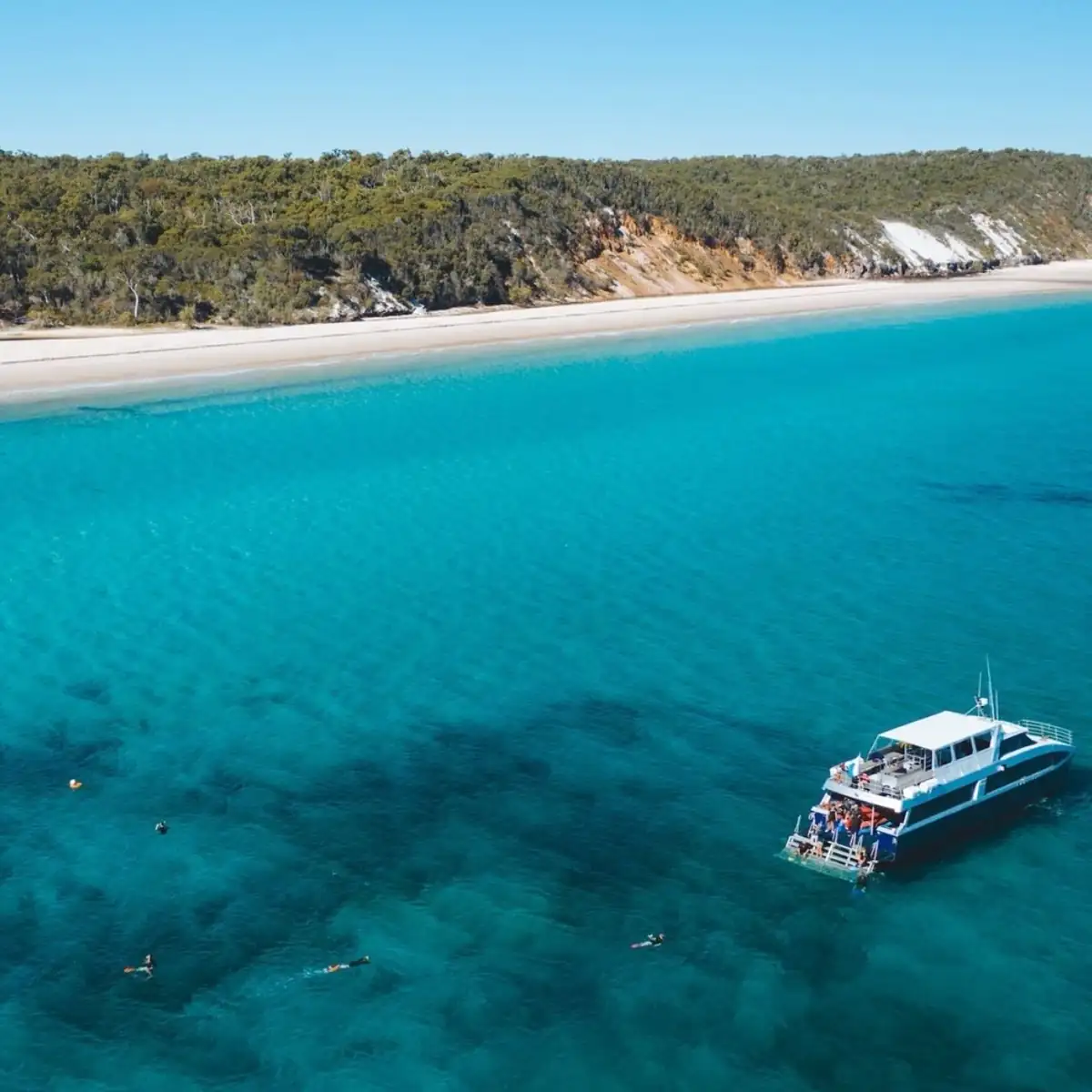
Some people combine their reef days with other adventures in Queensland. I’ve had guests book a Remote K’gari and Whale Experience Tour before or after snorkelling the reef. The landscape is completely different – sand dunes and humpbacks instead of coral formations – but the principle is the same: the more you know, the more confident you’ll be.
One of my guests told me their favourite part of a Remote K’gari and Whale Experience Tour was feeling clued up before stepping onto the beach. The same applies to the reef – knowing is half the battle.
Build Up Your Skills
Start in shallow water and take it from there. Get comfortable with your breathing.
Swim slowly along the shallow coral and let your eyes get a feel for the place. Watch the fish darting around you.
But believe me, confidence builds fast. I’ve seen people pretty much freeze at the entry point in the morning and be begging for a second snorkelling session by the afternoon.
It happens all the time.
Confidence isn’t Born – Its Learned
The reef isn’t something you just handle. It’s something you prepare for.
Book with a reputable tour operator, such as Great Barrier Reef Tours. Pay attention to the people running the show and follow the safety rules. Respect the marine life and stay close to your buddy.
Do that, and you’ll not only survive your first reef day, but you’ll nail it.
Whether you’re heading to the Outer Reef from Port Douglas or planning a Queensland trip that includes a Remote K’gari and Whale Experience Tour, the same principle applies – calm comes from being competent.
The Bottom Line
You can go from being a nervous wreck to a confident reef explorer in 24 hours. Just choose a good operator, know your conditions, make sure your gear fits and respect the place.
Preparation beats panic, every time.
FAQ
Is It Safe If I’m Not A Strong Swimmer?
Absolutely – with flotation support, close supervision, and sticking to buddy protocols, plus choosing calm water, really helps.
What’s The Most Common Injury?
Minor coral cuts from accidentally bumping stuff. Just avoid standing on reef formations.
Are Jellyfish A Major Risk?
Yeah, they can be in some months. Operators hand out stinger suits to reduce the risk of being stung by things like Irukandji jellyfish.
Do I Need A Licence To Take Part?
Only for scuba diving. Snorkelling doesn’t need a scuba licence.
What Should I Bring Onboard?
Seasickness tablets (if you need them), swimwear, a towel, and an open mind.