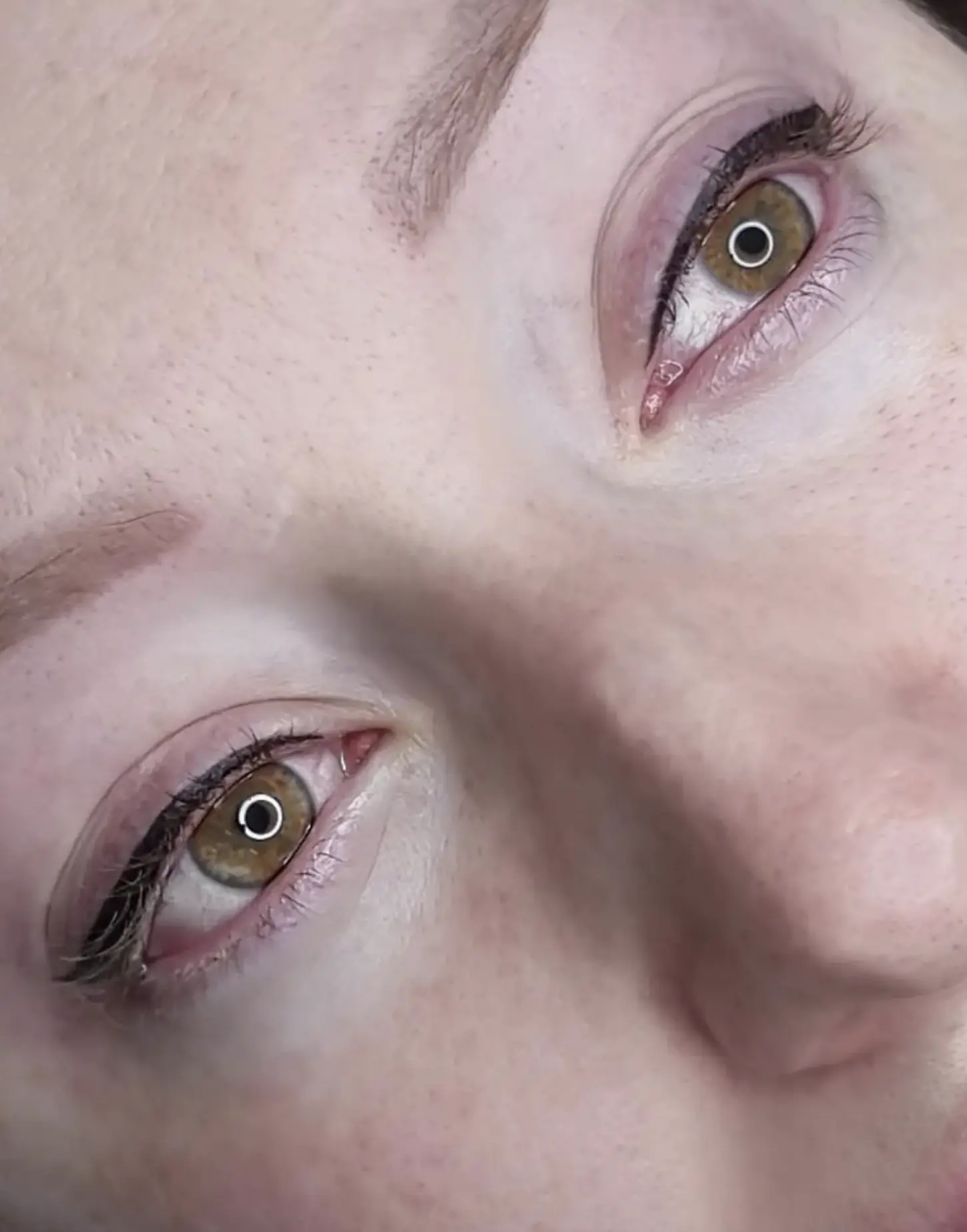
So you’ve ever wondered, “How often should permanent eyeliner be touched up?” Well, you’re not alone — it’s one of the most common questions I get in the studio. I’m Olha Po, and after nearly a decade of working on the eyes of all shapes, skin types and ages here in Melbourne, I can tell you the answer isn’t one-size-fits-all. It depends on your skin type, your lifestyle, your healing process and even the local climate.
At Cosmetic Tattoo Studio Melbourne Face Figurati, I’ve helped hundreds of clients keep their eyeliner looking fresh for years — without overdoing it. Whether you’ve had a brand new permanent eyeliner tattoo or you’re on your third touch-up session, this guide will help you plan. I’ll share insider tips, break down how skin tone and pigment colour affect retention and explain how aftercare instructions can make a huge difference.
Why Touch-Ups Matter for Long Lasting Results
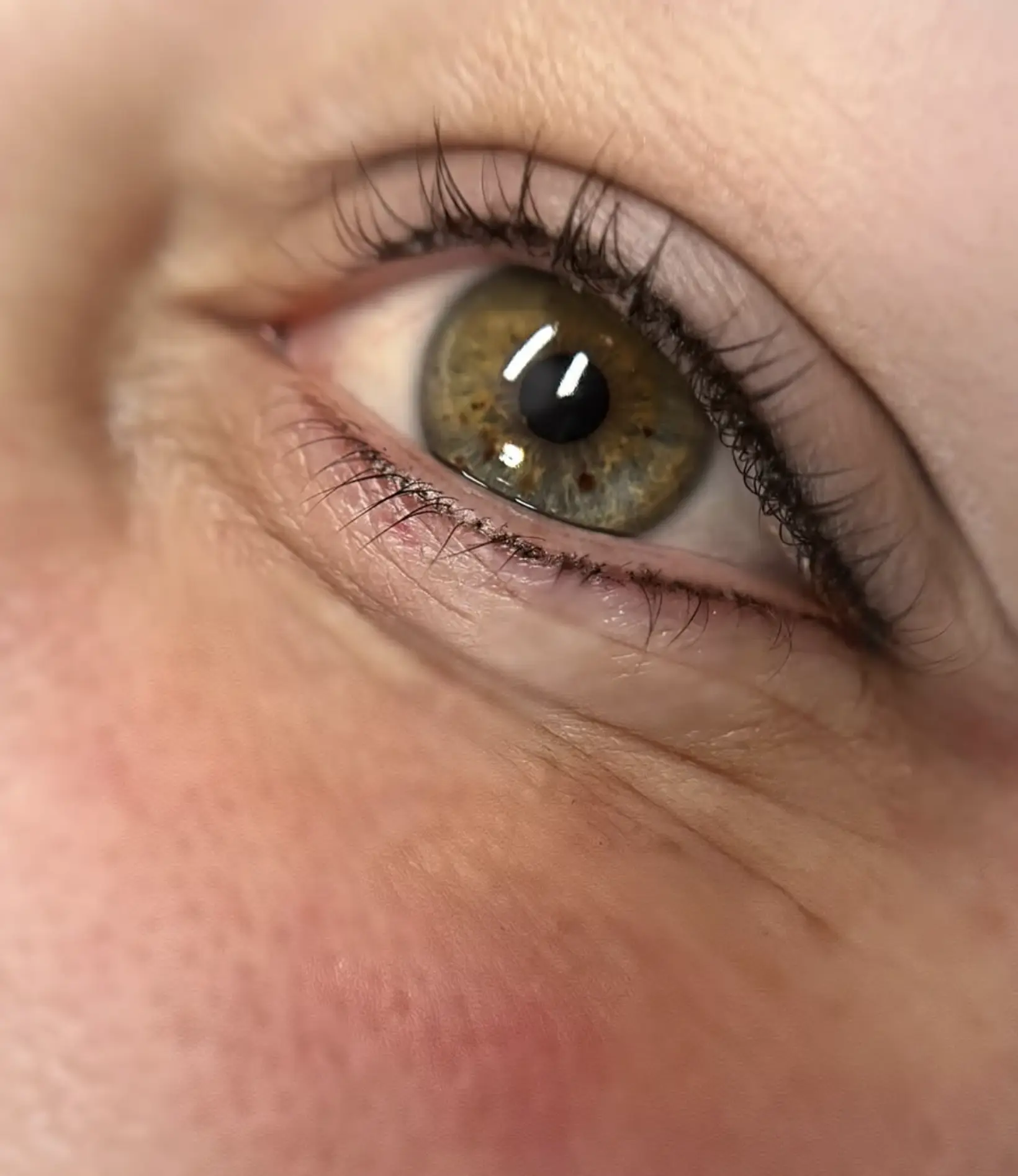
Even the most expertly applied eyeliner tattoo will fade. Cosmetic tattooing involves placing pigment into the skin using special needles, and your body’s natural renewal process breaks it down. Sun exposure, body chemistry and skin type all affect pigment retention.
Timely eyeliner tattoo touch-ups keep the lash line defined, the pigment colour vibrant, and the shape consistent. They also allow your makeup artist to adjust the thickness, style or even choose from a variety of colours if you’re ready for a subtle change.
The Usual Touch-Up Timeline
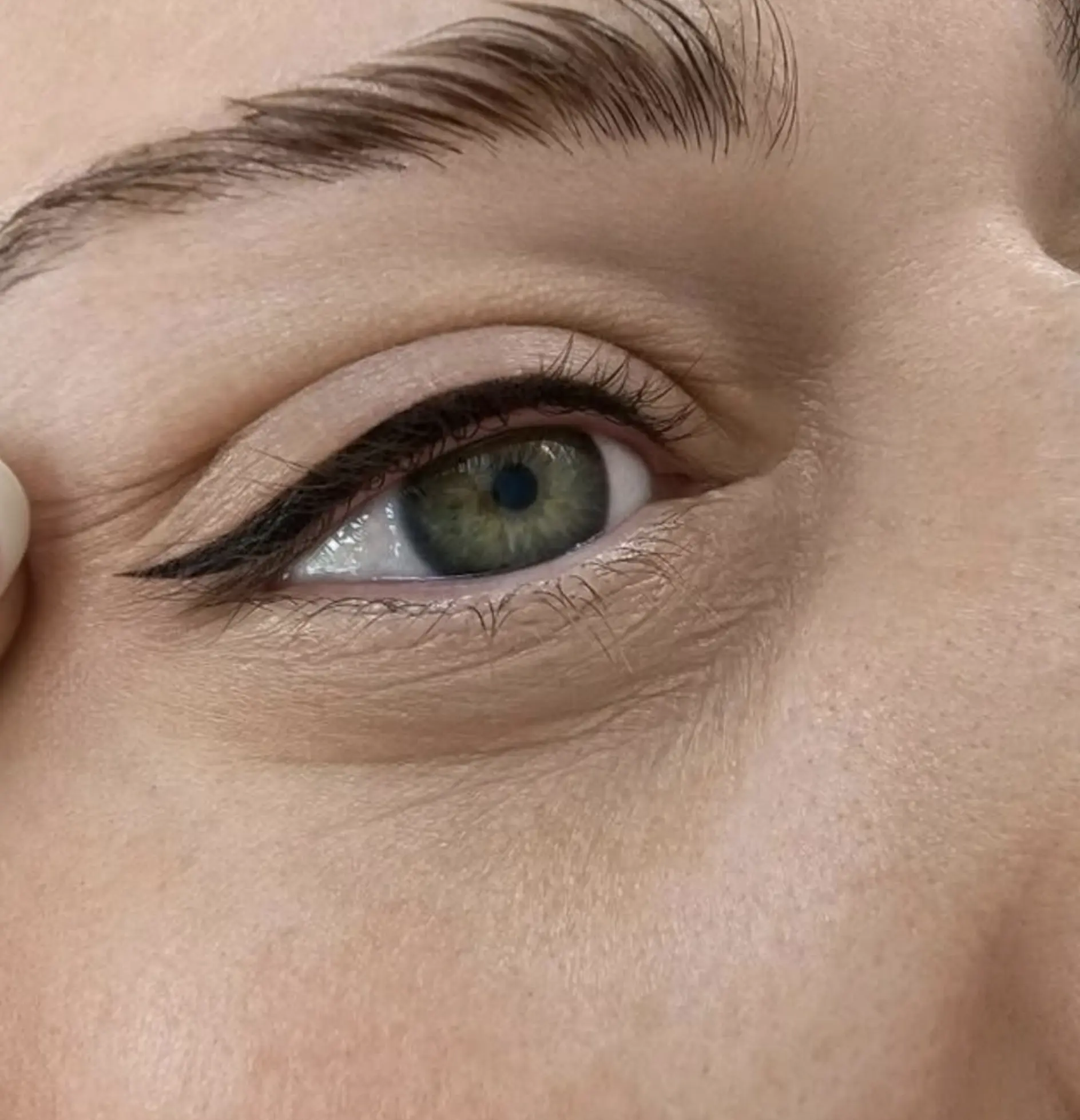
Most clients need a touch-up every 1.5 to 3 years, but there’s no one-size answer. Your permanent eyeliner tattoo’s healing time, lifestyle and pigment application technique all play a role.
| Skin & Lifestyle Factor | Typical Touch-Up Interval |
|---|---|
| Normal to dry skin, minimal sun exposure | 2–3 years |
| Oily skin or a very fast healing process | 1–2 years |
| High sun exposure, frequent swimming | 12–18 months |
| Light pigment colour | 12–18 months |
These are based on what I’ve seen at Cosmetic Tattoo Studio Melbourne Face Figurati. Pigment fades gradually, so you have time to plan your next session.
Factors That Affect Pigment Longevity
Oily skin types fade quicker, and dry skin retains pigment longer. Your natural skin tone also plays a role in how the pigment colour looks over time.
Sun Exposure
The sun is pigment’s biggest enemy. UV rays break down the molecules, so your eyeliner fades sooner. Sunglasses and SPF-infused creams near the lash line are your best defence.
Healing Method
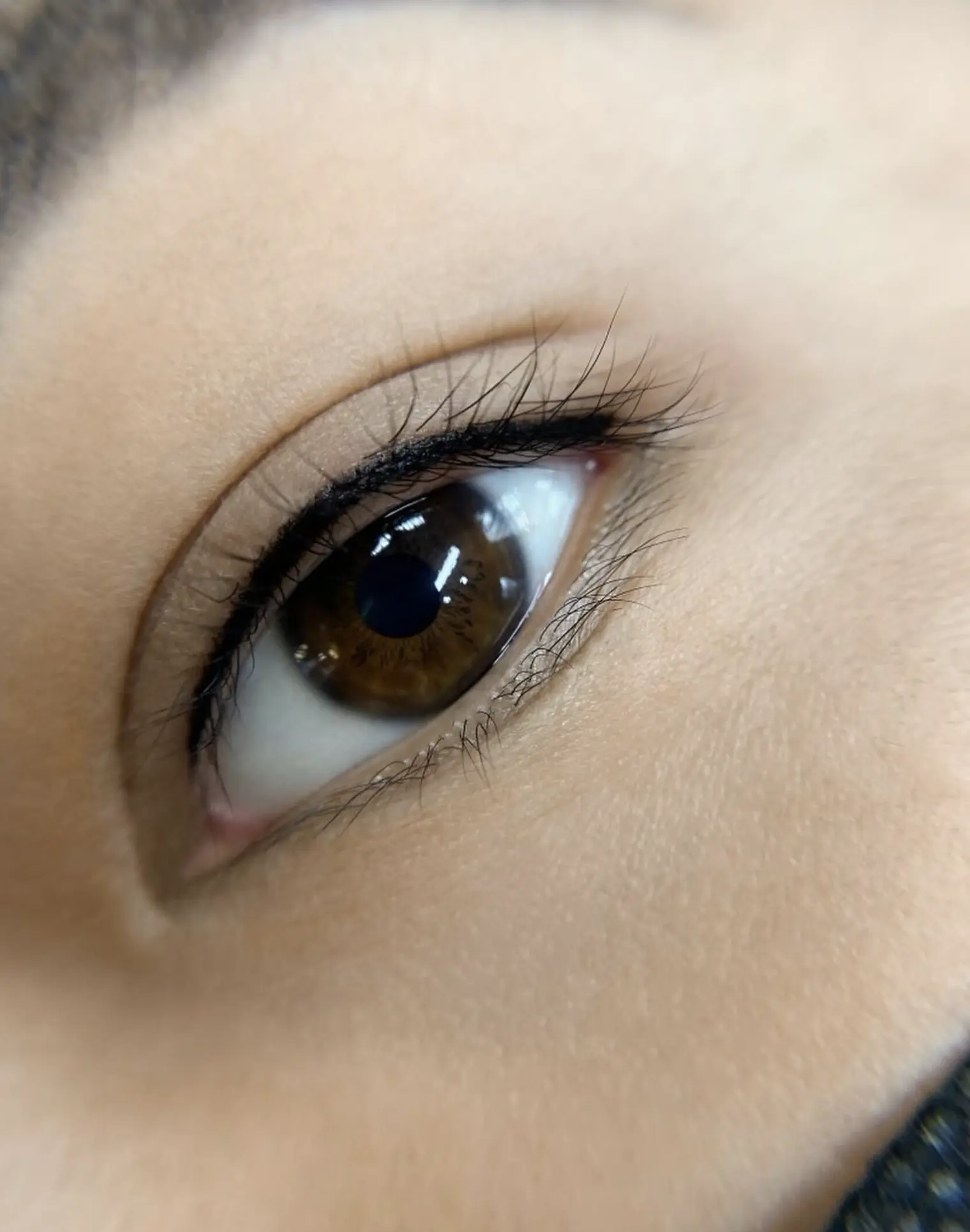
Some clients heal dry, others wet with ointments. Both can work – what matters is following aftercare instructions exactly as given.
Lifestyle & Beauty Treatments
Swimming, exfoliating or getting other beauty treatments like lip blush or eyebrow tattoos near the eyes can speed up fading.
Health & Medications
Blood thinners can affect pigment application and healing time. Let your artist know before any cosmetic tattooing procedures.
When to Book Your First Touch-Up
After your brand-new permanent eyeliner tattoo, you’ll need a perfecting session 6–8 weeks later to fill in any gaps from the healing process. This is part of almost all cosmetic tattooing services and ensures even pigment application.
Your first major maintenance touch-up is usually 18–24 months after the initial procedure. This can vary if your skin type, sun exposure or body chemistry causes faster fading.
Signs You’re Due for a Touch-Up
- The lash line looks lighter or uneven
- The wing tip has faded or lost shape
- You’re using more semi-permanent makeup or regular liner to top it up
If unsure, send a photo to your artist for an assessment before booking.
Avoiding Over-Touching
More frequent eyeliner tattoo touch-ups are not always better. The eyelid skin is delicate, and too many cosmetic tattooing services in quick succession can cause pigment migration or skin thickening.
Touch-Up Costs in Melbourne
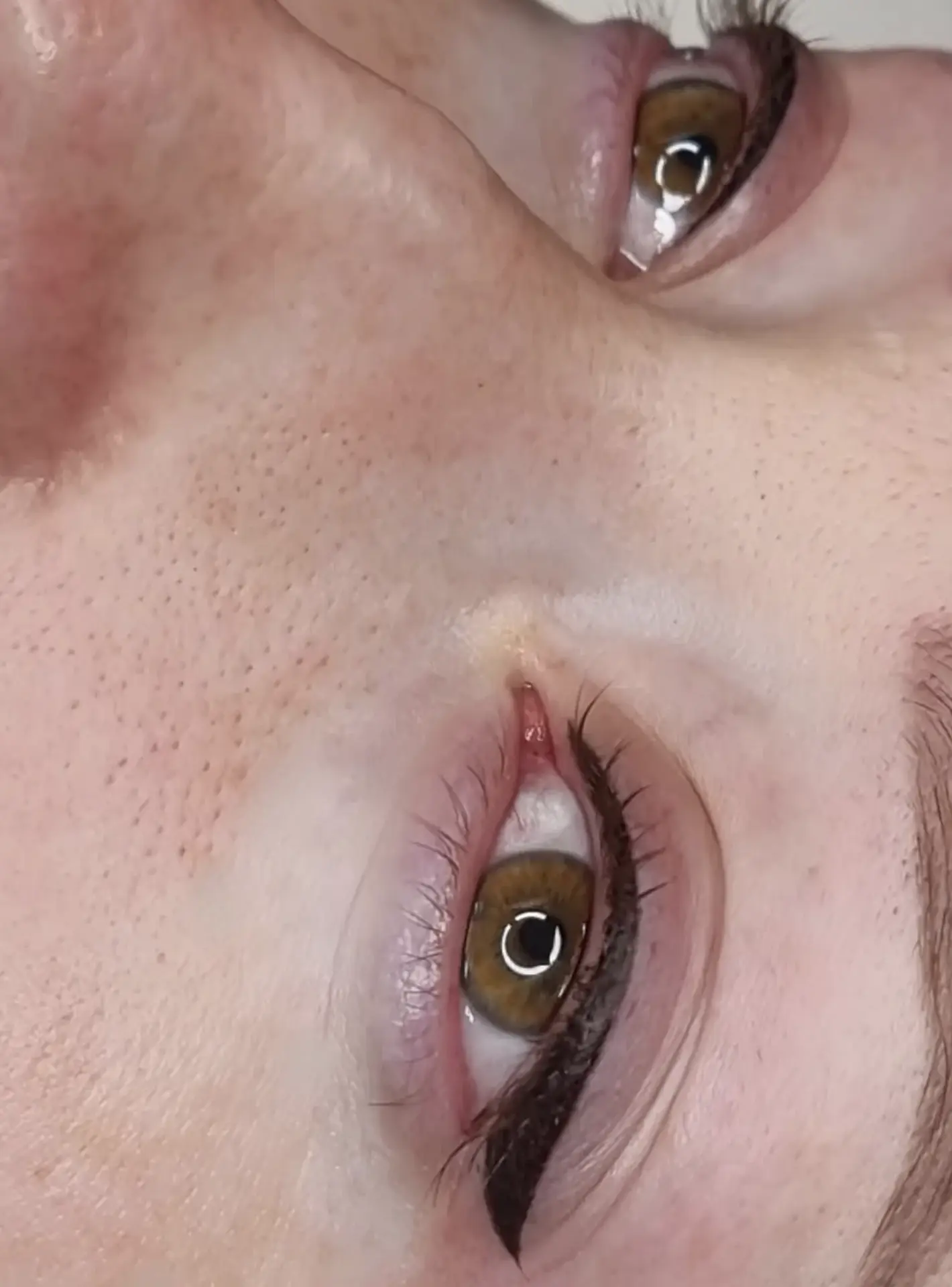
In Melbourne, permanent eyeliner tattoo touch-ups cost $250–$450, depending on the style and pigment colour. At Cosmetic Tattoo Studio Melbourne Face Figurati, existing clients get lower rates than full cosmetic tattooing services.
Aftercare Instructions for Longer-Lasting Results
Your healing time affects pigment retention. Follow these:
- No water, steam or sweat for 7 days after treatment
- Follow dry or wet healing as recommended
- Keep your lash line clean and don’t rub
- Use SPF after healing to protect pigment colour
Hours after treatment are crucial — improper care in this stage can shorten pigment life by months.
Real Client: Pigment Retention Success
One of my clients, Julia, had her first permanent eyeliner tattoo and lip blush session. She followed her aftercare instructions to the letter — no makeup near the lash line, no swimming and careful SPF use. Her pigment retention was so good that she didn’t need a touch-up for nearly 3 years.
Training and Education
If you want to learn the craft, we also offer an eyeliner tattoo course at Cosmetic Tattoo Studio Melbourne Face Figurati. This course covers pigment application for managing the healing process, so you can deliver long-lasting, safe results.
Personalised Cosmetic Tattooing Schedules
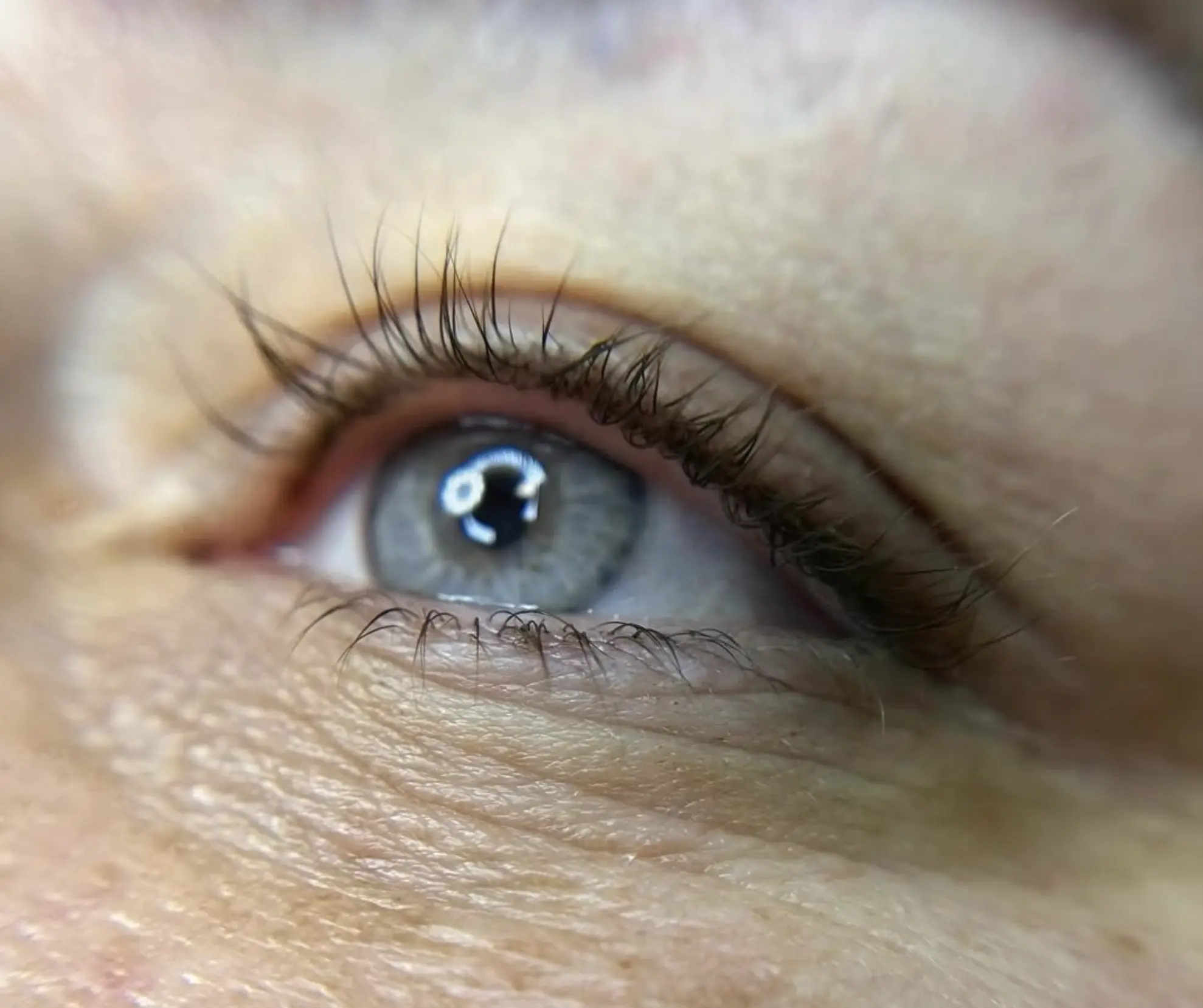
Your eyeliner tattoo touch-up timing will depend on your skin type, pigment colour, lifestyle and healing process. Whether you dry heal or wet heal, the key is to protect your pigment and avoid unnecessary cosmetic tattooing procedures.
If you’re in Melbourne and wondering when it’s time for your next session, contact Cosmetic Tattoo Studio Melbourne Face Figurati. I’ll give you an honest opinion based on your current eyeliner.
FAQ
Does pigment colour affect how soon I need a touch-up?
Yes — lighter shades fade faster than dark black pigments.
Can I combine eyeliner tattoo touch-ups with other beauty treatments?
Yes, but avoid treatments like lip tattoos or eyebrow tattoos near your healing eyeliner for at least 4 weeks.
Does body chemistry affect pigment retention?
Absolutely — hormones, medications and natural oil production affect the rate of fading.
Is the healing process shorter for a touch-up than a brand-new permanent eyeliner tattoo?
Generally yes because less pigment is applied.
Do special needles make a difference?
Yes — using the right size and configuration ensures better pigment implantation and longer-lasting results.